Londra, Francoforte, Ginevra e Zurigo: come trasformare quattro ore perse in aeroporto in quaranta minuti di lavoro in cabina.
Private Jet to Europe's Financial Capitals
London, Frankfurt, Geneva and Zurich: how to turn four hours lost at the airport into forty minutes of productive work on board.
"C'è un momento, per chi opera nella finanza o nella consulenza internazionale, in cui il calendario smette di essere un semplice elenco di impegni e diventa un vincolo fisico: la riunione a Milano finisce alle 12, quella a Ginevra è alle 15, e tra le due c'è un aeroporto commerciale, un gate lontano, un volo di linea che parte quando vuole lui, non quando serve a te. Il jet privato, su queste distanze, non è un vezzo — è l'unico modo realistico per essere in entrambi i posti nello stesso giorno, arrivando lucido e puntuale invece che trafelato all'ultimo imbarco."
Le quattro rotte che seguono — Londra, Francoforte, Ginevra e Zurigo — sono il cuore pulsante della finanza europea, e non a caso sono anche le tratte executive più richieste dalla clientela italiana. Ognuna ha il proprio carattere, i propri aeroporti dedicati e le proprie ragioni per essere raggiunta in modo diverso da come farebbe un passeggero qualunque.
Destinazione
Tempo di volo da Milano*
Scali executive di riferimento
Aeromobile tipico
Londra
~1h50
Luton · Farnborough · Biggin Hill
Jet leggero / medio
Francoforte
~1h10
Egelsbach · Terminal executive FRA
Jet leggero
Ginevra
~50 min
Ginevra (GVA) - terminal business aviation
Jet leggero
Zurigo
~55 min
Zurigo (ZRH)
Jet leggero
*Tempi di volo indicativi, variabili in base a aeromobile, rotta assegnata e condizioni operative del giorno.
Londra: dove ogni minuto a terra si paga in riunioni perse
La porta d'accesso alla City
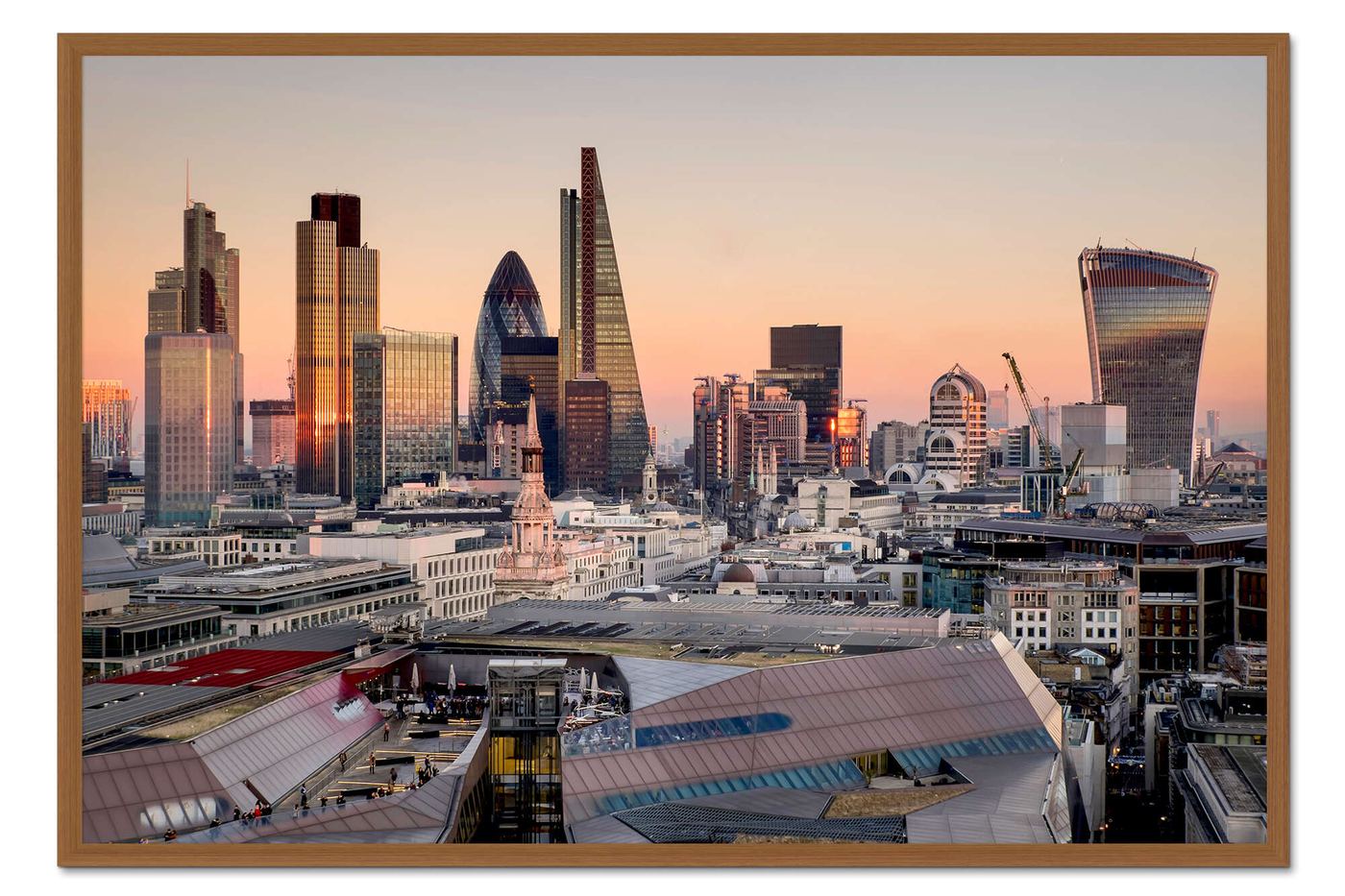
Londra resta, senza rivali, il principale hub finanziario d'Europa — e chi ci lavora lo sa bene: atterrare a Heathrow o Gatwick per un incontro di due ore è quasi un controsenso, tra code ai controlli, distanze dal centro e la sensazione di aver perso mezza giornata prima ancora di iniziare. Per questo chi organizza un jet privato per Londra punta su tre scali pensati apposta per chi ha tempo contato: London Luton, il più utilizzato per la business aviation nell'area londinese; Farnborough, un terminal quasi interamente dedicato ai voli privati, silenzioso ed efficiente; e London Biggin Hill, a sud-est della città, spesso scelto per la rapidità delle procedure di sbarco. Da Milano il volo richiede indicativamente un'ora e cinquanta minuti: si può letteralmente partire dopo colazione ed essere già al tavolo di lavoro in tempo per il primo appuntamento del mattino a Londra.
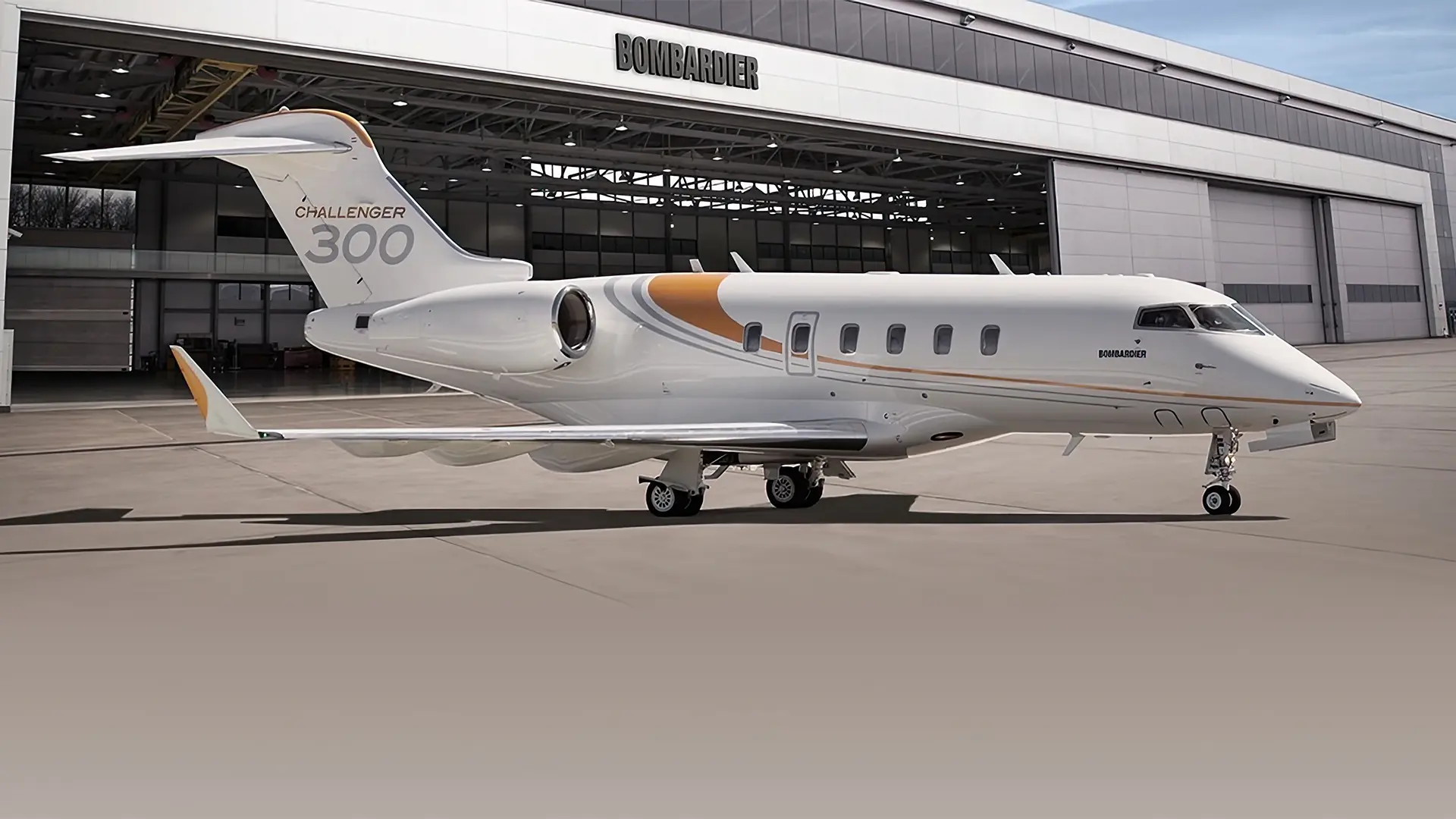
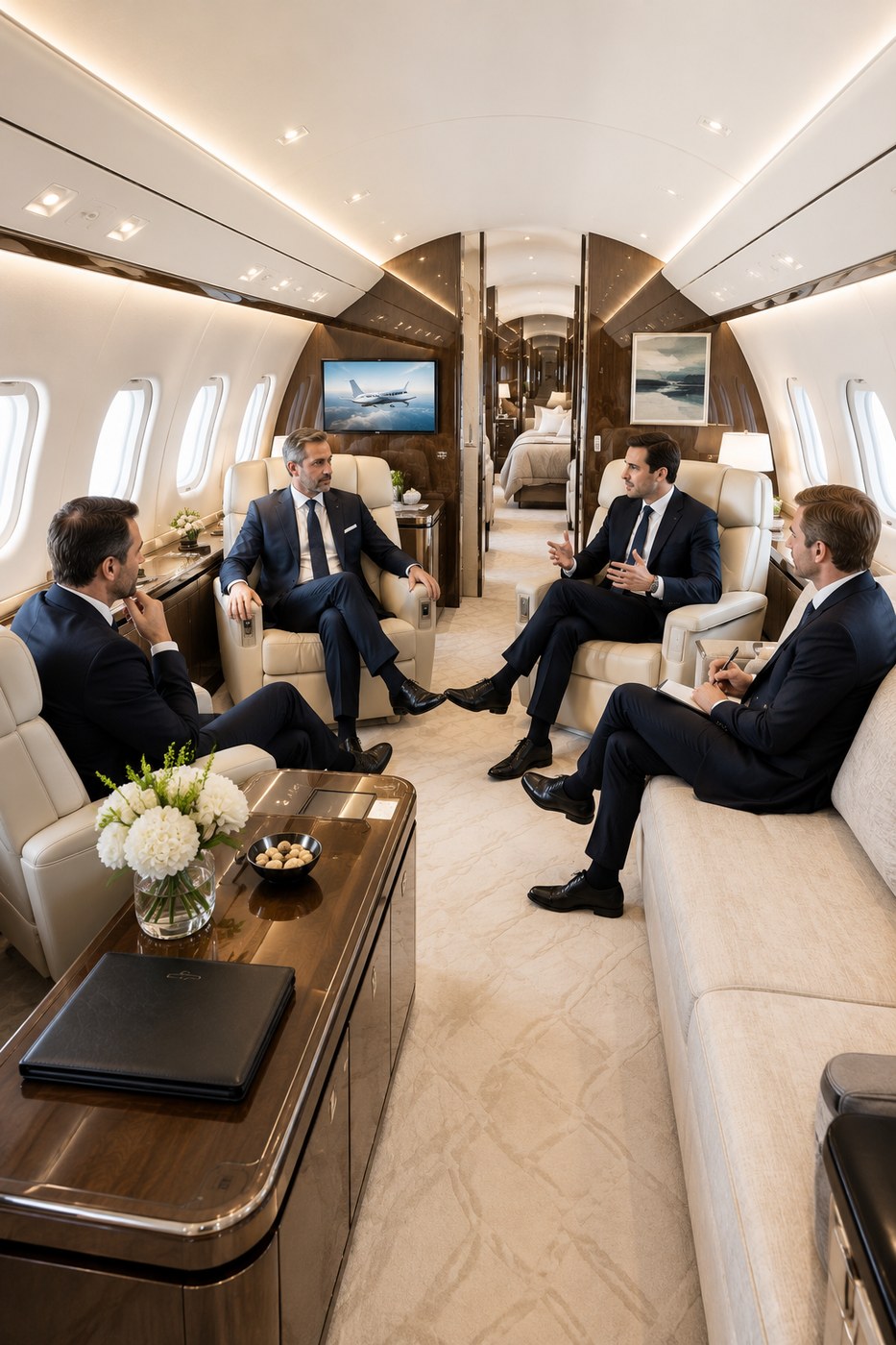
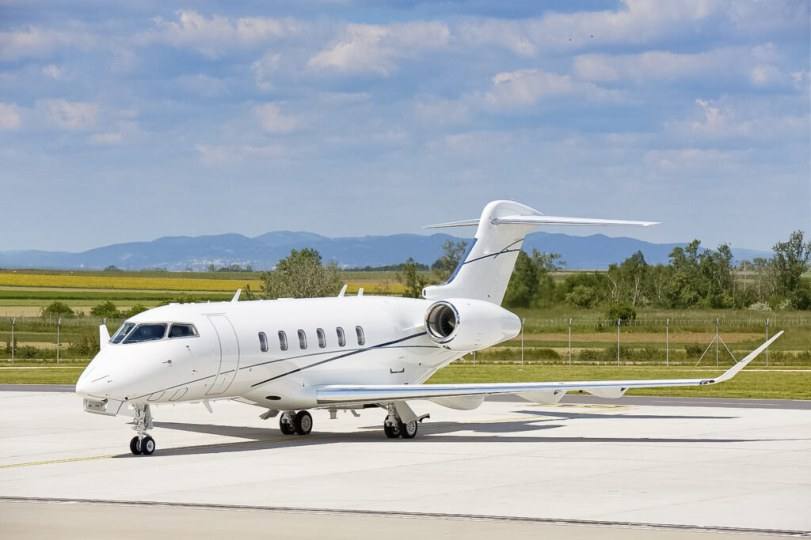
Un jet medio come il Challenger 300 offre lo spazio di cabina ideale per lavorare durante il volo verso Londra, preparando materiali o effettuando call riservate.
Francoforte: il polso della finanza tedesca
Tra BCE e Deutsche Börse
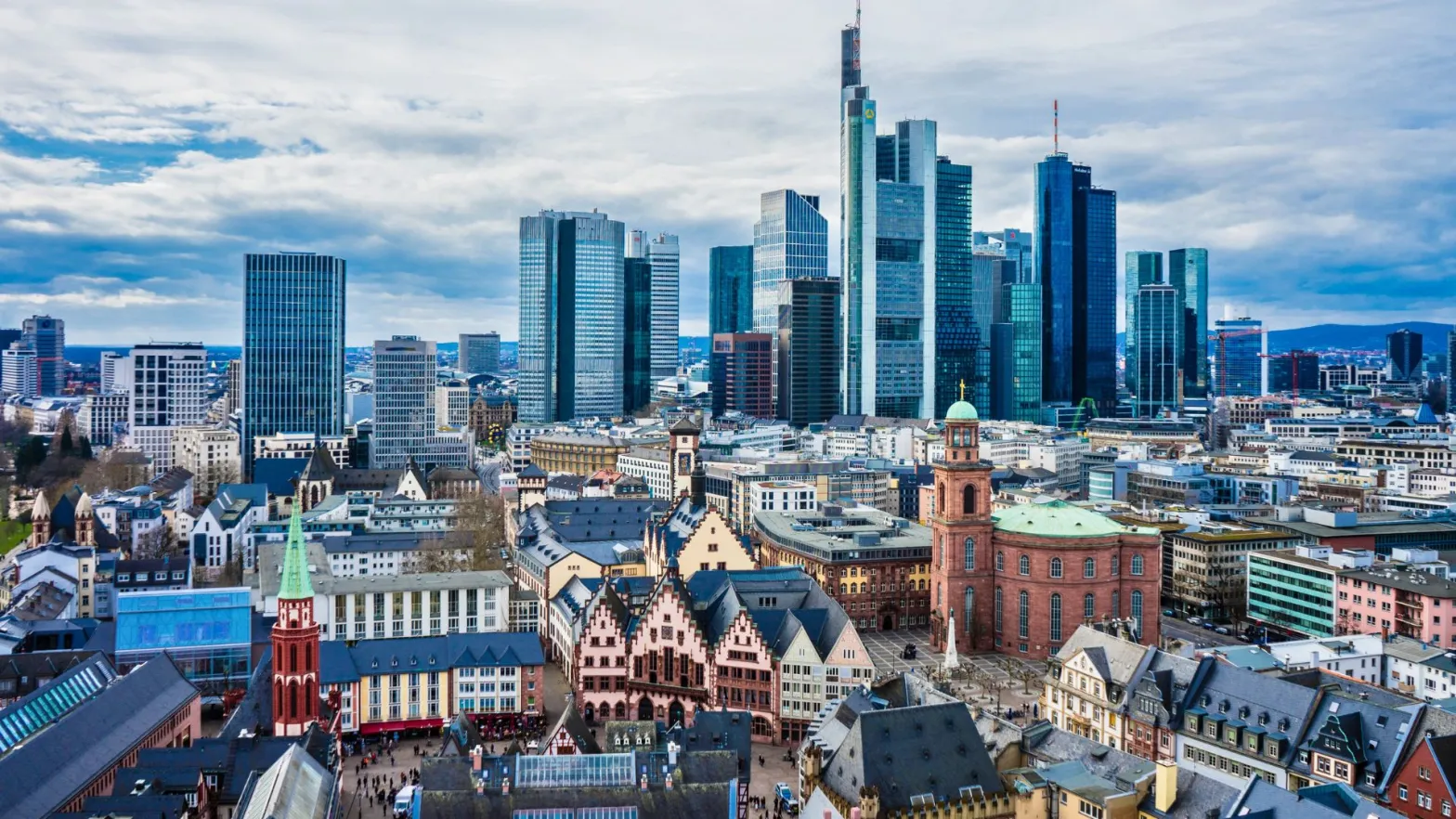
Francoforte non ha il fascino da capitale che hanno Londra o Parigi, ma ha qualcosa che pesa molto di più nei calendari della finanza: ospita la Banca Centrale Europea e il cuore del sistema bancario tedesco. Chi vi atterra raramente ci va per turismo — quasi sempre per incontri istituzionali, comitati di rischio, due diligence che non ammettono ritardi. Per il noleggio di un jet privato a Francoforte, oltre al terminal executive dell'aeroporto principale, molti operatori preferiscono Egelsbach, uno scalo minore a sud della città, più rapido nelle operazioni di atterraggio e decollo per jet leggeri e medi. Da Milano il volo è tra i più brevi della lista: circa un'ora e dieci minuti, spesso meno del tempo che si impiegherebbe per arrivare in auto da un aeroporto milanese fino al centro città.
"Il vantaggio non è solo il tempo di volo — è non dover pianificare la giornata attorno agli orari di un vettore di linea, ma attorno alla propria agenda."
Ginevra: la capitale silenziosa del private banking
Dove il denaro si muove senza rumore
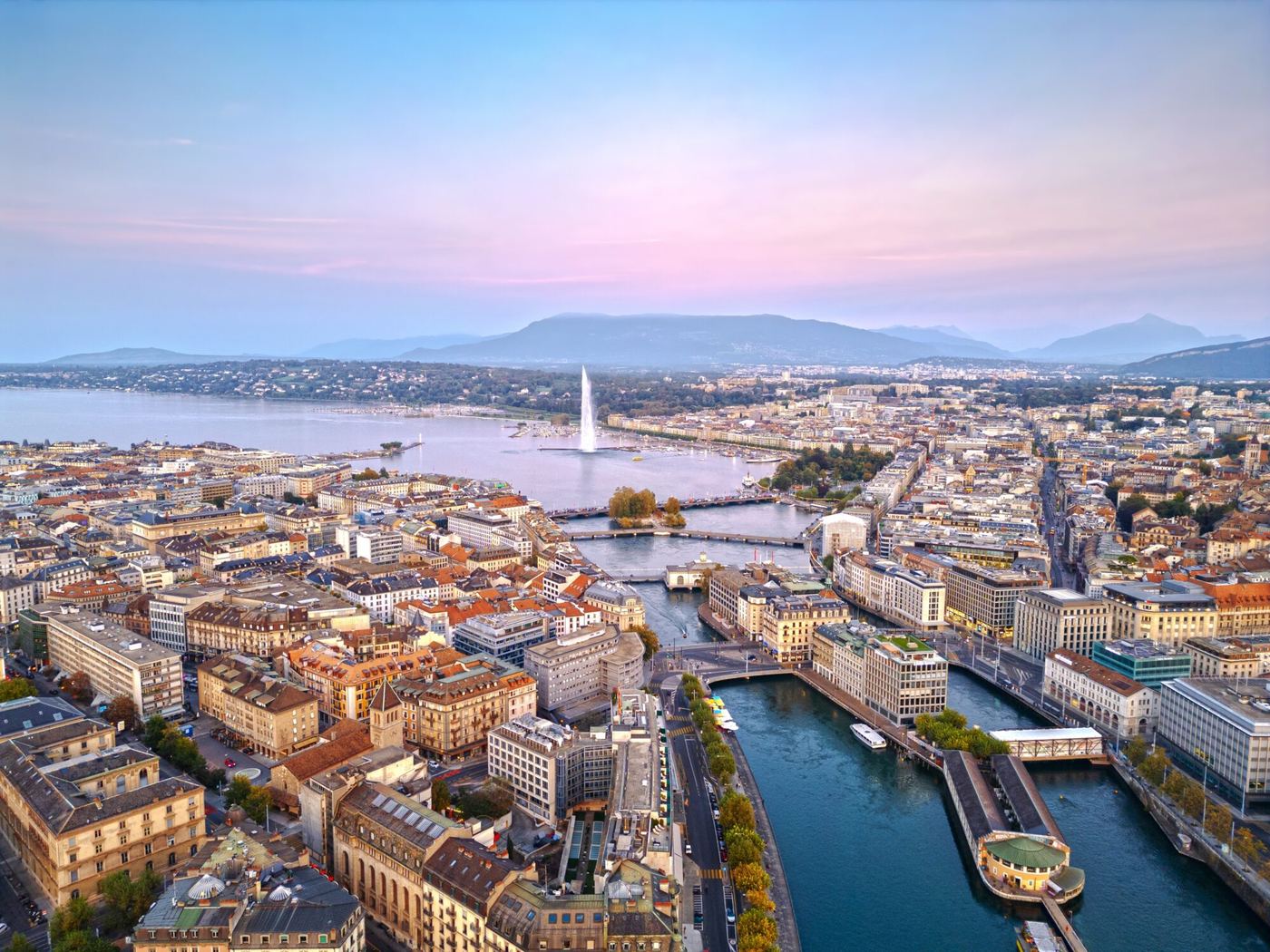
Se esiste una città che vive di riservatezza, è Ginevra. Gestori patrimoniali, family office, organizzazioni internazionali: qui la discrezione non è un optional, è il modello di business stesso. Non stupisce che chi cerca un jet privato a Ginevra trovi nell'aeroporto di Ginevra (GVA) uno dei terminal business aviation più trafficati e meglio organizzati di tutta Europa continentale, capace di gestire con estrema fluidità anche i picchi di traffico legati ai grandi eventi finanziari internazionali che la città ospita regolarmente. Da Milano è, tra le quattro, la tratta più rapida in assoluto: appena una cinquantina di minuti di volo, spesso inferiori al tempo che servirebbe per raggiungere in auto un aeroporto commerciale di partenza. Si parte, letteralmente, dopo l'ultima email della mattina.
Zurigo: l'altra metà della piazza finanziaria svizzera
Gestori patrimoniali e family office
Zurigo completa idealmente il quadro elvetico insieme a Ginevra: meno internazionale nella sua vocazione, ma altrettanto centrale per chi opera con gestori patrimoniali e strutture di private banking. Chi organizza un jet privato per Zurigo trova un flusso di spostamenti verso Milano e le altre piazze finanziarie italiane costante durante tutto l'anno, sostenuto da relazioni professionali di lunga data tra i due mercati. Il volo da Milano richiede indicativamente cinquantacinque minuti — un salto che si fa quasi senza accorgersene, se non fosse per il cambio di lingua e di paesaggio fuori dal finestrino.
L'aeromobile giusto per rotte brevi e frequenti
Un'ora di volo può diventare un'ora di lavoro riservato: preparare un dossier, chiudere una call, semplicemente pensare senza interruzioni.
Su distanze comprese tra 50 minuti e due ore, la scelta dell'aeromobile è più una questione di comfort e capienza che di autonomia. Ecco le tre categorie più richieste per queste tratte:
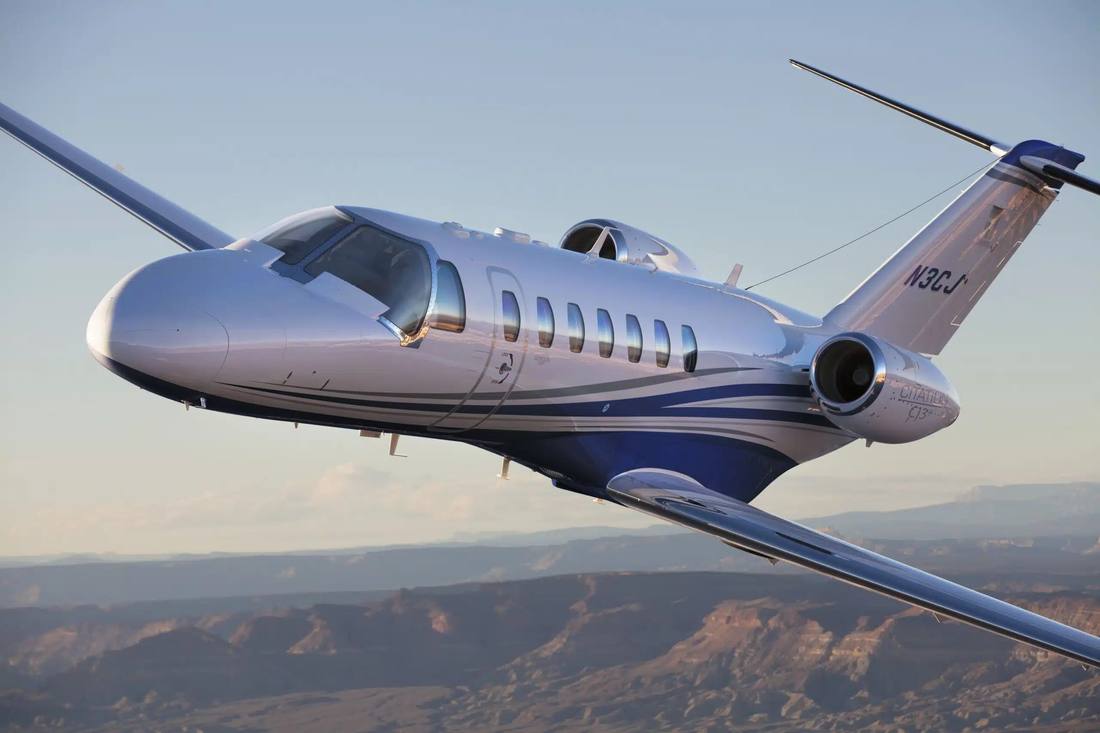
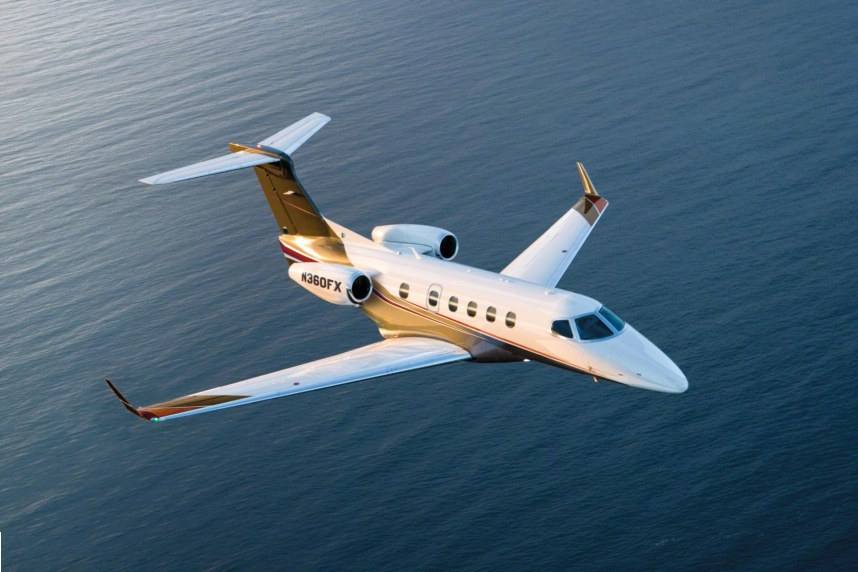
Citation CJ3 — agile ed efficiente per team ridottiPhenom 300 — cabina silenziosa, ottima autonomiaChallenger 350 — spazio extra per delegazioni
Per uno o due passeggeri con bagaglio leggero, un jet leggero come il Citation CJ3 o il Phenom 300 è quasi sempre la scelta più efficiente: tempi di posizionamento rapidi, costi contenuti, piena adeguatezza per queste distanze. Quando il gruppo si allarga — un consulente, un legale, un socio — un jet medio come il Challenger 350 offre lo spazio per lavorare seduti attorno a un tavolo vero durante il volo, non semplicemente per stare comodi. Aeromobili di categoria superiore sono raramente giustificati su queste distanze: significherebbero pagare per un'autonomia che non si userà mai.
Empty legs: la stessa rotta, a condizioni diverse
Londra, Ginevra e Zurigo sono tra le destinazioni con la maggiore frequenza di voli di riposizionamento — i cosiddetti empty legs — proprio a causa dell'intenso traffico executive che le attraversa in entrambe le direzioni. Per chi ha margine di flessibilità sulle date, tenerli d'occhio può significare ottenere la stessa esperienza di volo a condizioni economiche sensibilmente più vantaggiose rispetto a una prenotazione standard.
Come funziona il noleggio: dalla richiesta al decollo
Come noleggiare un jet privato (o un elicottero)? Che si tratti dell'uno o dell'altro, il percorso che porta dal primo contatto iniziale con YPJ al giorno del decollo segue sempre le stesse fasi. Ecco come funziona, in sintesi:
Richiesta e definizione delle esigenze. Il cliente ci comunica tratta, data e orario di arrivo desiderati, numero di passeggeri, quantità e peso indicativo dei bagagli al seguito, ed eventuali richieste particolari (animali da compagnia, bagagli fuori misura, catering specifico, WiFi satellitare): più informazioni abbiamo, più la selezione successiva dell'aeromobile adatto alla missione specifica sarà mirata e conseguentemente l'esperienza di volo sarà impeccabile.
Selezione dell'operatore e dell'aeromobile. Verifichiamo la reale disponibilità in loco per evitare/minimizzare i costi di posizionamento, le autorizzazioni e certificazioni degli operatori compatibili con la richiesta, scegliendo l'aeromobile più adatto per la tratta e il numero di passeggeri.
Preventivo. Riceverai una quotazione scritta con alcune alternative di aeromobile, le relative caratteristiche tecniche e dimensionali della cabina, e il dettaglio dei costi: la quotazione ha sempre carattere indicativo fino a conferma scritta dell'operatore, poiché può variare in base agli slot e alle tasse aeroportuali e alle condizioni operative del giorno di partenza.
Conferma e pagamento. Una volta accettato il preventivo, il cliente deve confermare la prenotazione con il pagamento (necessariamente anticipato): solo a quel punto l'operatore emette la conferma ufficiale del volo e inizia la pianificazione operativa che consentirà il decollo e l'atterraggio nel giorno e orari stabiliti.
Pianificazione del volo. L'operatore impegna gli slot aeroportuali di decollo e atterraggio, ottiene gli eventuali permessi di sorvolo (ove necessari), predispone il piano di volo e lo inoltra a Eurocontrol, infine coordina gli eventuali servizi accessori sia in volo che a terra (piloti, assistente di cabina ove richiesto, assistenza passeggeri all'imbarco, catering, transfer di aria o di terra all'arrivo, assistenza documentale per i passeggeri).
Giorno della partenza. I passeggeri effettuano un check-in rapido, presso un terminal executive dedicato (FBO): si arriva tipicamente 15-20 minuti prima del decollo, si evitano le consuete code delle aerostazioni commerciali, e in alcuni terminal viene addirittura consentito al passeggero di essere accompagnato sotto bordo con la sua autovettura privata.
Come lavoriamo con Your Private Jet
Operiamo come air charter broker, non come compagnia aerea: per ogni richiesta selezioniamo l'operatore più adatto tra quelli certificati, verificandone autorizzazioni, assicurazioni e disponibilità reale, senza vincolarti a una flotta unica o a un unico fornitore. La nostra sede a Genova e la rete di corrispondenti internazionali — inclusa la consulenza legale a Londra — ci permettono di seguire con cognizione diretta le esigenze di chi viaggia per motivi professionali proprio su queste rotte, non da un manuale generico ma da relazioni reali sul territorio. Le quotazioni restano sempre indicative fino a conferma scritta, in base a disponibilità dell'aeromobile, slot orari e condizioni operative del momento.
Hai una richiesta specifica?
Contattaci per ricevere una valutazione personalizzata in base alla tratta, al numero di passeggeri e alle tue esigenze operative.
"There's a moment, for anyone working in finance or international advisory, when the calendar stops being a simple list of commitments and becomes a physical constraint: the meeting in Milan ends at midday, the one in Geneva is at 3pm, and between the two lies a commercial airport, a distant gate, a scheduled flight that leaves when it wants to, not when you need it to. On these distances, a private jet isn't an indulgence — it's the only realistic way to be in both places on the same day, arriving sharp and on time instead of rushing to catch the last boarding call."
The four routes that follow — London, Frankfurt, Geneva and Zurich — are the beating heart of European finance, and it's no coincidence that they're also the executive routes most requested by Italian clients. Each has its own character, its own dedicated airports, and its own reasons for being reached differently from how an ordinary passenger would travel.
Destination
Flight time from Milan*
Reference executive airports
Typical aircraft
London
~1h50
Luton · Farnborough · Biggin Hill
Light / midsize jet
Frankfurt
~1h10
Egelsbach · FRA executive terminal
Light jet
Geneva
~50 min
Geneva (GVA) - business aviation terminal
Light jet
Zurich
~55 min
Zurich (ZRH)
Light jet
*Flight times are indicative and vary depending on the aircraft, the assigned route and the operational conditions on the day.
London: Where Every Minute on the Ground Costs You Meetings
The gateway to the City
London remains, without rival, Europe's leading financial hub — and anyone who works there knows it well: landing at Heathrow or Gatwick for a two-hour meeting is almost a contradiction in terms, between security queues, the distance from the centre and the feeling of having lost half a day before you've even started. This is why anyone arranging a private jet to London relies on three airports built specifically for people with limited time: London Luton, the most widely used for business aviation in the London area; Farnborough, a terminal almost entirely dedicated to private flights, quiet and efficient; and London Biggin Hill, to the south-east of the city, often chosen for how quickly passengers can disembark. From Milan the flight takes roughly one hour and fifty minutes: you can literally leave after breakfast and already be at the table in time for your first morning appointment in London.
A midsize jet such as the Challenger 300 offers the ideal cabin space to work during the flight to London, preparing materials or taking confidential calls.
Frankfurt: The Pulse of German Finance
Between the ECB and Deutsche Börse
Frankfurt doesn't have the capital-city allure of London or Paris, but it has something that weighs far more heavily on finance diaries: it hosts the European Central Bank and the heart of the German banking system. Those who land there rarely do so for tourism — almost always for institutional meetings, risk committees, due diligence that admits no delay. For chartering a private jet to Frankfurt, besides the main airport's executive terminal, many operators prefer Egelsbach, a smaller airport south of the city, faster for landing and take-off operations for light and midsize jets. From Milan, the flight is among the shortest on the list: around one hour and ten minutes, often less than the time it would take to drive from a Milan airport into the city centre.
"The advantage isn't just the flight time — it's not having to plan your day around a scheduled carrier's timetable, but around your own agenda."
Geneva: Private Banking's Quiet Capital
Where money moves without a sound
If there is a city that lives on discretion, it is Geneva. Wealth managers, family offices, international organisations: here, discretion isn't an option, it's the business model itself. It's no surprise that anyone looking for a private jet to Geneva finds at Geneva Airport (GVA) one of the busiest and best-organised business aviation terminals in continental Europe, able to handle with remarkable fluidity even the traffic peaks tied to the major international financial events the city regularly hosts. From Milan, it's the fastest of the four routes by far: barely fifty minutes of flying time, often less than the time it would take to drive to a departing commercial airport. You leave, quite literally, right after your last email of the morning.
Zurich: The Other Half of the Swiss Financial Centre
Wealth managers and family offices
Zurich ideally completes the Swiss picture alongside Geneva: less international in character, but just as central for those working with wealth managers and private banking structures. Anyone arranging a private jet to Zurich finds a steady flow of travel to Milan and Italy's other financial centres throughout the year, underpinned by long-standing professional relationships between the two markets. The flight from Milan takes roughly fifty-five minutes — a hop that goes by almost unnoticed, save for the change of language and scenery outside the window.
The Right Aircraft for Short, Frequent Routes
One hour of flying can become one hour of confidential work: preparing a dossier, wrapping up a call, or simply thinking without interruption.
Over distances of between 50 minutes and two hours, choosing the aircraft is more a question of comfort and capacity than range. Here are the three categories most requested for these routes:
Citation CJ3 — agile and efficient for small teamsPhenom 300 — quiet cabin, excellent rangeChallenger 350 — extra space for delegations
For one or two passengers travelling light, a light jet such as the Citation CJ3 or the Phenom 300 is almost always the most efficient choice: fast positioning times, contained costs, fully suited to these distances. When the group grows — an advisor, a lawyer, a partner — a midsize jet such as the Challenger 350 offers the space to work seated around a real table during the flight, not just to sit comfortably. Higher-category aircraft are rarely justified on these distances: it would mean paying for range you'll never actually use.
Empty Legs: The Same Route, on Different Terms
London, Geneva and Zurich are among the destinations with the highest frequency of repositioning flights — the so-called empty legs — precisely because of the intense executive traffic flowing through them in both directions. For those with some flexibility on dates, keeping an eye on them can mean getting the same flight experience on significantly more favourable financial terms than a standard booking.
How Chartering Works: From Request to Take-off
How do you charter a private jet (or a helicopter)? Whichever it is, the journey from the first contact with YPJ to the day of departure always follows the same stages. Here's how it works, in summary:
Request and definition of requirements. The client tells us the desired route, date and arrival time, number of passengers, quantity and approximate weight of luggage, and any special requests (pets, oversized luggage, specific catering, satellite WiFi): the more information we have, the more precisely we can select the aircraft best suited to the specific mission, and consequently the flight experience will be flawless.
Selecting the operator and the aircraft. We verify actual local availability to avoid or minimise positioning costs, the authorisations and certifications of operators compatible with the request, choosing the aircraft best suited to the route and the number of passengers.
Quotation. You will receive a written quote with a number of aircraft alternatives, their technical specifications and cabin dimensions, and a breakdown of costs: the quotation is always indicative until written confirmation from the operator, as it may vary based on slots, airport fees and the operational conditions on the day of departure.
Confirmation and payment. Once the quote is accepted, the client must confirm the booking with payment (necessarily in advance): only then does the operator issue official confirmation of the flight and begin the operational planning that will allow take-off and landing at the agreed day and times.
Flight planning. The operator secures the take-off and landing airport slots, obtains any overflight permits (where required), prepares the flight plan and submits it to Eurocontrol, and finally coordinates any additional services both in flight and on the ground (pilots, a cabin attendant where required, passenger assistance at boarding, catering, air or ground transfers on arrival, document assistance for passengers).
Departure day. Passengers complete a quick check-in at a dedicated executive terminal (FBO): arrival is typically 15-20 minutes before take-off, avoiding the usual queues at commercial terminals, and at some terminals passengers can even be driven right up to the aircraft in their own car.
How We Work at Your Private Jet
We operate as an air charter broker, not as an airline: for every request we select the most suitable operator among those certified, verifying their authorisations, insurance and genuine availability, without tying you to a single fleet or a single supplier. Our base in Genoa and our network of international correspondents — including legal advisory in London — allow us to address the needs of those travelling for professional reasons on precisely these routes with first-hand knowledge, not from a generic manual but from real relationships on the ground. Quotations always remain indicative until written confirmation, depending on aircraft availability, time slots and the operational conditions at the time.
Have a specific request?
Contact us for a personalised assessment based on the route, number of passengers and your operational needs.